
Kakheti history through its surviving places
Kakheti history connects religious communities, royal residences and wine culture in eastern Georgia. The region includes the Alazani Valley, mountain crossings, forests and dry steppe, so its historical places belong to quite different landscapes. A useful way to approach them is to follow the chronology first, then decide which part of the region to visit. An early monastery, a former royal city and a fortified town each tell a different part of the story.
Begin with the early religious sites, continue to Gremi and its royal past, and leave room for Telavi and Sighnaghi. This gives the buildings a context beyond their appearance in photographs. For an itinerary organised around architecture and religious places, the monastery routes page separates the available excursions. Here the focus is the historical sequence and the distinctions between the places.
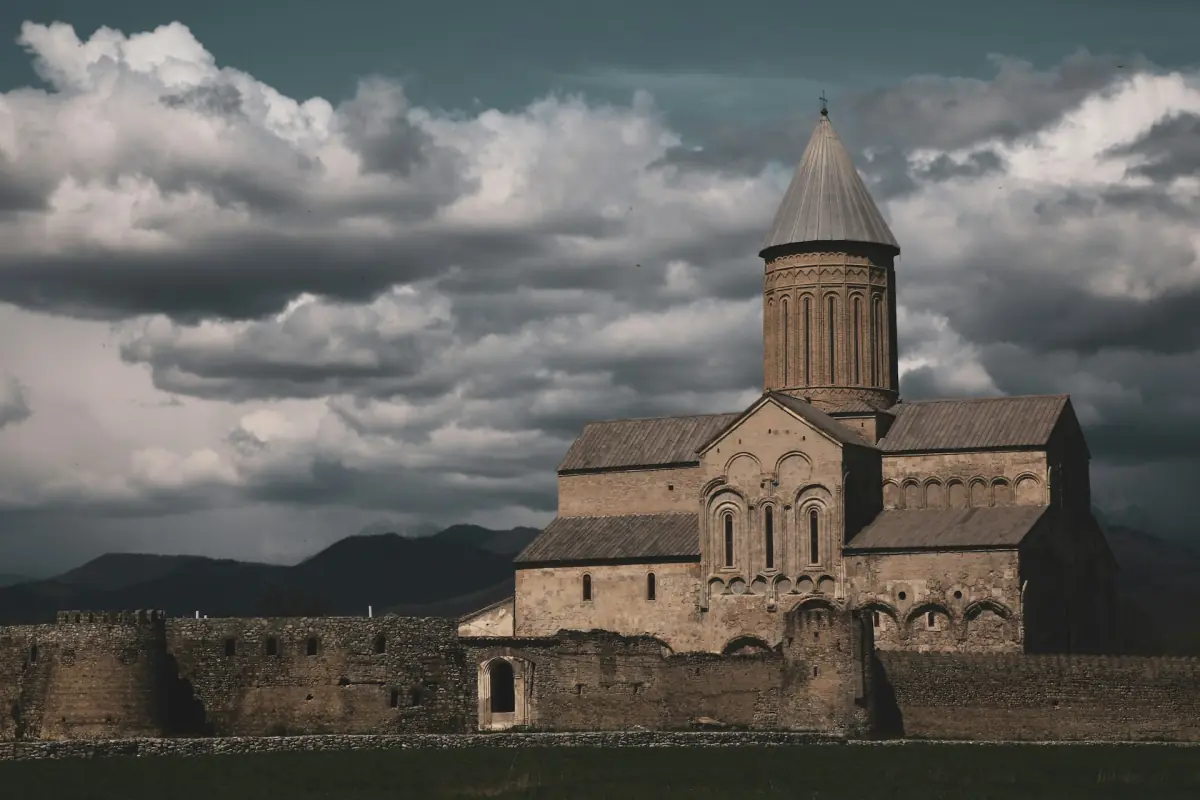
Early history and monastery foundations
The earliest establishments at Alaverdi are dated to the sixth century; the cathedral standing there today belongs to the eleventh century. Keeping those dates apart helps when looking at a complex shaped across different periods. Alaverdi remains an active monastery. Plan a visit with respect for its religious use, and establish the day's visiting arrangements rather than building an itinerary around an assumed interior visit.
David Gareja also has its foundation in the first half of the sixth century, associated with David Garejeli. Its rock-cut rooms and frescoes developed within an ensemble of monasteries in a semi-desert landscape. Nekresi offers another early medieval religious context, with different church forms, a refectory and a palace. Treat these as individual sites with their own development, rather than as interchangeable examples of one building period.
Related excursion
This cultural route includes the Sighnaghi wall and a palace photo stop.
Hand-picked tours, booked through GetYourGuide. Prices are indicative starting prices in euros (as of October 2026). Tap a tour for live availability and the current price in your currency.
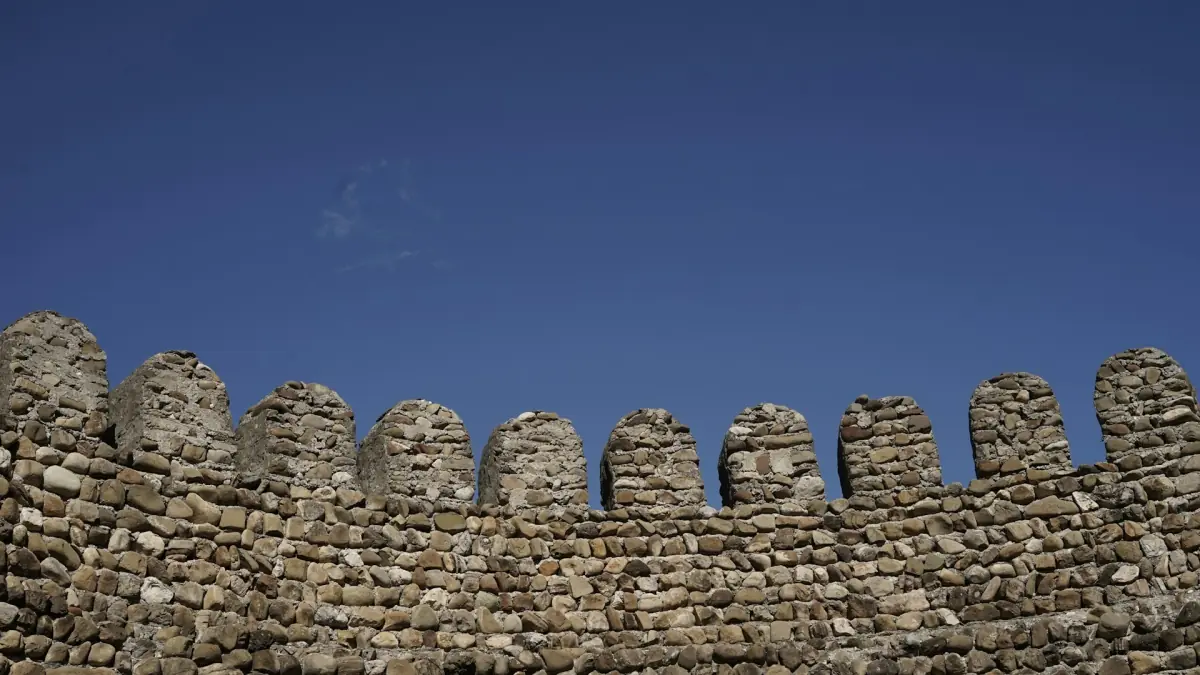
A cultural route through Kakheti
This excursion connects Sighnaghi's fortress wall and a royal-palace photo stop with wine, honey and local food traditions.
Gremi and the royal city
Gremi served as Kakheti's royal residence from 1466 to 1616. The Church of the Archangels, associated with King Levan, dates to 1565. The palace and bell tower, museum areas and archaeology of the city allow you to think beyond the church as a solitary monument. The setting belongs to a former residence city, with religious and royal elements within the same historical place.
For a visit, distinguish the surviving buildings from the wider archaeological story. Looking at a church tower gives one impression; allowing time for the museum creates room for the material history of the city. Our Gremi guide covers the published visiting information and fees separately, so those practical details need not interrupt the chronology here. Choose this stop if the relationship between a royal centre and its surviving fabric interests you.
Telavi and Sighnaghi in later centuries
Telavi brings the story to the royal palace complex of the seventeenth and eighteenth centuries. Its churches, bath, fortifications and collections give the visit more than a palace facade. Objects associated with the royal family sit alongside archaeological, ethnographic and art collections. King Erekle II is an important figure in the city's historical identity, and his palace is a central point for understanding that connection.
In Sighnaghi, the wall was built under Erekle II in 1762. Walkable sections help explain the fortified town, but plan around accessible parts rather than a complete circuit. Historical houses with balconies, squares and the town museum add a different scale to the visit. The town's rehabilitation in 2007 also matters: the fountain on Erekle II Square and the Queen Tamar Church belong to that chapter, so the visible town is not a single unchanged medieval scene.
Art, museums and a living wine tradition
Sighnaghi's museum collections include archaeological, ethnographic and medieval material, as well as works by Niko Pirosmanishvili. Plan a museum visit around those themes and ask about the current display if a particular artist is your priority. Tsinandali adds a museum with family objects, manuscripts, photographs, paintings and furniture, together with a historic garden. These collections offer ways to connect political history with domestic life and art.
Wine belongs to this cultural history too. Qvevri are clay vessels used for making and storing wine. The traditional Georgian method received UNESCO recognition as intangible cultural heritage in 2013. That recognition concerns the method. A wine tasting can complement the buildings with an introduction to wine culture, while the cultural excursion on this page combines tastings and a Churchkhela class with the wall visit and palace photo stop. Allow separate time for museums you want to explore in depth.
Questions about Kakheti's past
When was Gremi a royal residence?
From 1466 to 1616. Its Church of the Archangels dates to 1565.
How old is Alaverdi Cathedral?
The present cathedral dates to the eleventh century, while the earliest establishments are dated to the sixth century.
What received UNESCO recognition in 2013?
The traditional Georgian Qvevri wine-making method received recognition as intangible cultural heritage.
Does the cultural excursion include an extended palace visit?
The included palace element is a photo stop. The route also visits Sighnaghi's fortress wall and includes wine and honey tastings.